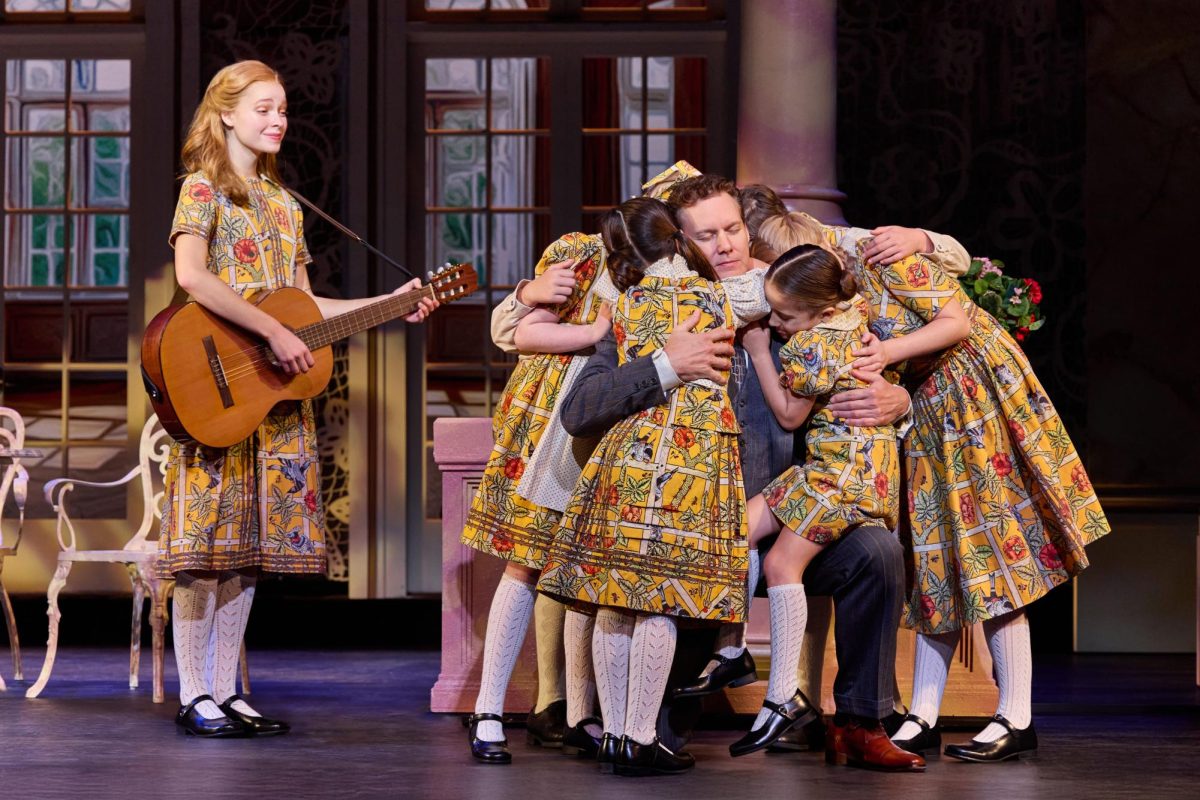
The sixth edition of the San Diego French Film Festival took place from May 3 to May 7, showcasing a number of short films highlighting the power of female voices and narratives in French cinema. The films were shown at THE LOT theater in La Jolla thanks to many generous sponsors, including renowned French actress Julie Delpy. Read below for A&E’s analyses of these Francophone flicks.
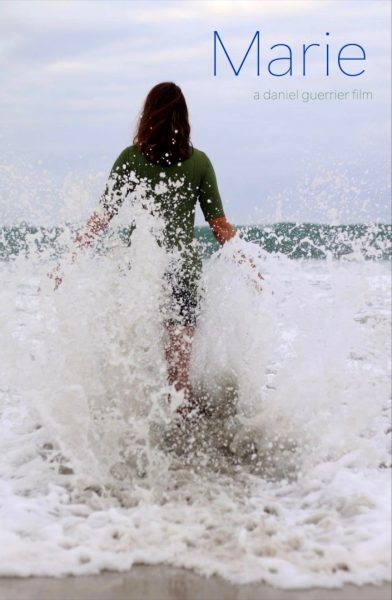
‘Marie’ — For what it lacks in dialogue, “Marie,” a brief yet memorable seven-minute silent short film by director Daniel Guerrier, speaks volumes through its somber, cool-toned atmosphere. Viewers follow a woman (Caroline Amiguet) seeking escape from the confinement of an unsatisfactory marriage. Lingering shots of her wedding ring and aloof facial expressions depict her internal conflict between staying in and leaving a relationship.
Bodies of water, in particular, emphasize this tension throughout the film. Opening on the shot of a static bathtub and closing on a flowing ocean where she lets go of her wedding band, she allows the movement of water to remind her of her potential freedom. Indeed, “Marie” demonstrates how prioritizing oneself is both immensely painful and transformative.
– Olivia Barkwill and Baran Bashar, Senior Staff Writers
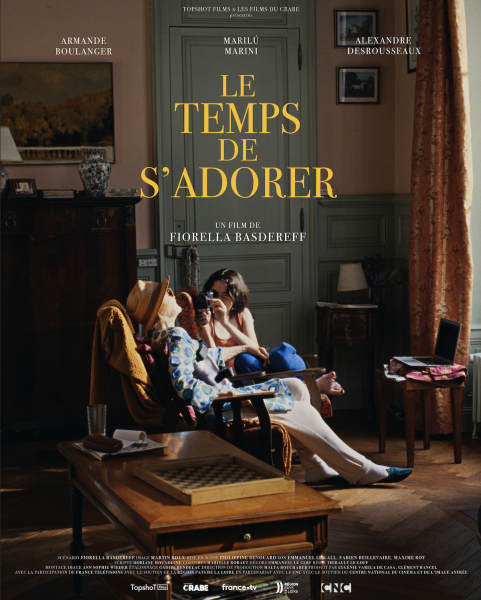
‘Le temps de s’adorer’ — “Le temps de s’adorer” slows down and reminds its audience to focus on the now. Directed by Fiorella Basdereff, this 25-minute short film follows a young woman, Charlotte (Armande Boulanger), caring for her elderly and injured grandmother Suzanne (Marilú Marini). During their time together, Charlotte discovers old films from Suzanne’s youth. Charlotte’s revival of these memories allows her to connect with and grow closer to her grandmother through the parallel experiences of their respective generations.
As Charlotte learns more about her grandmother’s young romance, she simultaneously navigates a developing relationship with a boy working at a camera shop. With Suzanne’s encouragement to pursue this romance, the past and present mirror each other, weaving together vignettes of Suzanne’s romantic history and Charlotte’s current journey to form an intergenerational bridge built on the acknowledgement of fleeting time.
– Olivia Barkwill and Baran Bashar, Senior Staff Writers
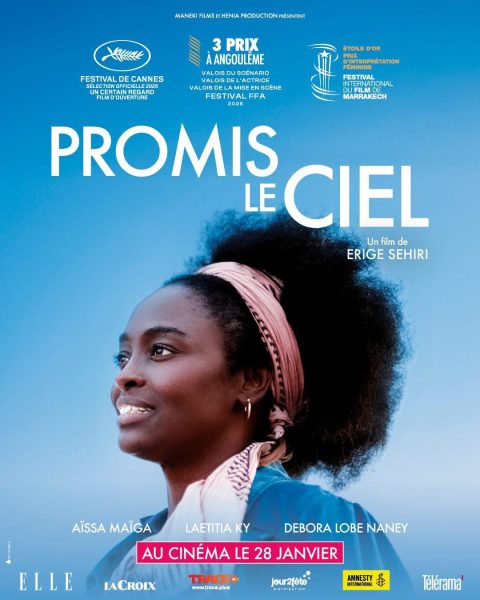
‘Promis le ciel’ — In a brief video prefacing the showing of “Promis le ciel,” director Erige Sehiri described her movie as a “film of faces.” With an ambiguous description, the film proved itself to be just that. Featuring distinct characters and interwoven storylines, the film follows a docudrama format, creating an intimate cinematic experience through handheld shots, diegetic music, and natural lighting. The audience not only learns about each character, but also witnesses their individual journeys of self-discovery.
As Sehiri described in her preview of the film, “Promis le ciel” aims to deconstruct the archetypes of the woman and the migrant. We follow pastor Marie (Aïssa Maïga), black market worker Naney (Deborah Christelle Lobe Naney), and engineering student Jolie (Laetitia Ky), who all live together in Tuni, Tunisia. The conflict of the film centers around how the women navigate the arrival of Kenza (Estelle Kenza Dpgbo), a ward of Tunisia. As they continue to care for Kenza, they grow wary of heightened police surveillance that is aimed at combating increased migration from sub-Saharan Africa.
Naney develops a strong bond with Kenza, finding solace in their physical and emotional closeness that she lacks with her own daughter, who lives in the Ivory Coast. As she is reminded of her own mother-daughter relationship, Naney is forced to confront the deepening disconnect between them. On a brief video call toward the end of the film, Naney tells her daughter, “I don’t have the words for how much I miss you” — inviting the audience to consider how separation can both strengthen and strain love, exposing its fragility.
“Promis le ciel” explores the tension between laws, societal rules, and family, portraying how familial bonds are stretched and fractured as a result of structural violence. We are shown the messy reality of migrant life in how each character makes decisions in striving for a better future.
– Olivia Barkwill and Baran Bashar, Senior Staff Writers
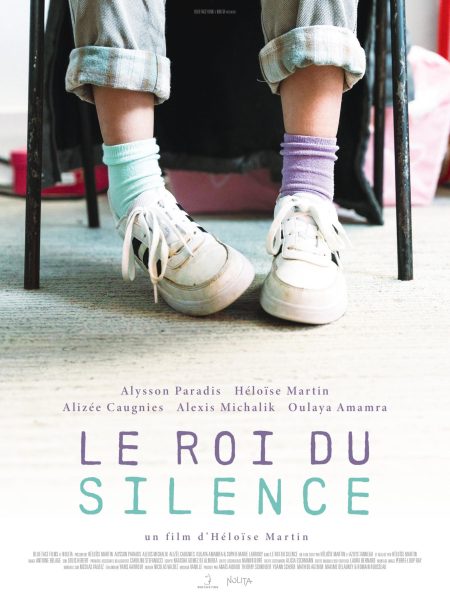
‘Le Roi du Silence’ — Directed by Héloïse Martin and produced by Blue Face Films, this 19-minute short film examines the sensitive subjects of incest and sexual violence against children with understanding and awareness. Set in her law office at a victims’ crisis center, lawyer Camille (Martin) navigates a tense conversation between a concerned father (Alexis Michalik) and a defensive mother (Alysson Paradis). The divorced couple is here to confront an abhorrent crime: The father discovered a handwritten note in which their 10-year-old daughter, Margot (Alizée Caugnies), revealed that her uncle molested her on multiple occasions.
The film takes place solely in the crisis center, switching between the heated three-way debate on the next course of action and the quiet conversation between Margot and a child psychologist (Sophie-Marie Larrouy) as she struggles to come to terms with an experience beyond the depths of her 10-year-old comprehension. This juxtaposition contributes to the story’s portrayal of dual perspectives, inspiring the audience to examine the pain felt by both the children and the adults involved. The title, translating to a children’s schoolyard game where the objective is to remain quiet, speaks accurately to the film’s cautionary tale of staying silent during difficult situations.
– Karina Moore, Contributing Writer
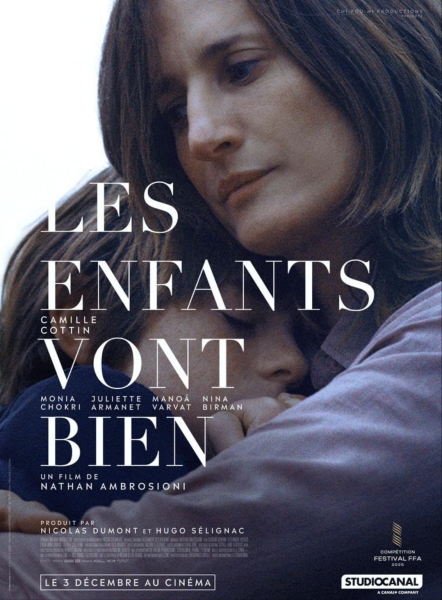
‘Out of Love (Les Enfants vont bien)’ — Written and directed by Nathan Ambrosioni — creator of introspective films such as “Toni, en Famille” — the film examines an alternate family dynamic. After her sister (Juliette Armanet) leaves one early morning without a trace, stern insurance agent Jeanne (Camille Cottin) is forced to take responsibility for her 6-year-old niece Margaux (Nina Birman) and 9-year-old nephew Gaspard (Manoã Varvat). Left without a sense of direction, Jeanne begrudgingly steps up to the task of motherhood. As the story progresses, Jeanne learns the ins and outs of parenting, such as school troubles, meltdowns at home, sleepless nights, and questions from the confused children that she cannot answer. While making a new home for her niece and nephew, Jeanne also finds a new sense of purpose in life.
In a Q&A with KUSI executive producer Sam Stockard, Ambrosioni revealed his inspiration behind the film as the “right to disappear” in France, also known as the right to be forgotten. Every year, France sees an unusually high number of disappearances — including Ambrosioni’s own sister, who left home in 2019 to visit New Zealand and did not return. He observed his mother’s despair at the loss of her daughter, which inspired him to examine “the impossibility of grief when you don’t know the answer” through film.
Ambrosioni explores how characters confront their rapidly changing lives through his creation of a quiet, pensive atmosphere. Viewers can come to their own conclusions about “how to live with a ghost who’s not really dead,” as Ambrosioni said.
– Karina Moore, Contributing Writer