Every generation romanticizes a past time they never lived through. Nostalgia has a way of smoothing over history’s rough edges. For Generation Z, that nostalgia has transformed into a political and cultural movement centered around traditionalism. Traditionalism is a form of rebellion for Gen Z because it offers an escape from a culture that glamorizes constant work and productivity over personal fulfillment. Emphasizing a simple life untouched by chaos, traditionalism’s focus on family, community, and religious values seems ideal to many on paper.
Gen Z’s traditionalism is a movement that screams, “There has to be more to life than this!” It is an open rejection of being worked to the bone and a proclamation that young people crave prosperity. Working more for less is not the future Gen Z wants. Although traditionalism has helped push back against corporatism, it is not a sustainable solution. The past has given us the wisdom that this ideology is not practical for every single person and often leads to harm of historically oppressed groups of people. Ostracizing those who do not live traditionally hurts more than it helps because it sows division and collapses a societal sense of community.
Personal identities should not be scrutinized, and yet traditionalist politics commonly target LGBTQ+ individuals and immigrants by portraying them as threats to social stability. The real threats to social harmony are polarization and greed, which have both been festering for quite some time. Attacking and excluding specific groups is not productive because diversity will always exist in a country like the U.S. that was built by immigrants. What is actually productive is addressing the economic insecurity and isolation that has depleted young people’s quality of life.
Traditional gender roles, which cast men as providers and women as homemakers, were once seen as necessary pillars of past American family life. Traditionalism, however, is not a one-size-fits-all ideology, as it marginalizes groups including the LGBTQ+ community, immigrants, women, single parents, and others who do not fit into narrow norms.
Social progress movements like feminism, civil rights activism, and LGBTQ+ advocacy have sought to push society toward greater individual freedom alongside social acceptance. Yet the pressure to work and contribute to the corporate world has also become gradually embedded within American culture, restricting these hard-fought freedoms and making economic success a fundamental component of modern identity.
The traditionalist lifestyle is simply a reflection of the American Dream — a dream that is unattainable and out of reach for young people who are barely surviving in today’s economic hardship. Nonetheless, the movement is counterproductive to its goals in that it focuses more on preserving social norms and traditional roles than addressing the economic conditions that prevent people from starting families.
Compared to previous generations, Gen Z faces rising housing costs, declining economic mobility, and growing social isolation. This has created an increasing sense of economic fragility. Buying a house and starting a family, core milestones of the American Dream, are nearly unobtainable for Gen Z. These conditions did not emerge overnight but are symptoms of escalating wealth inequality and a culture obsessed with profit and productivity.
Corporatism — the prioritization of corporate interests and economic growth — has thrown the well-being of ordinary people to the wayside. Corporations treat the working class as disposable and expendable, which in turn has placed immense pressure on individuals to work as much as possible. As wages struggle to keep up with the cost of living, many workers take on multiple jobs and work excessive hours. People no longer have the time or financial security to meaningfully contribute to their communities, pursue hobbies, or build families of their own. As these problems worsen, many members of Gen Z have turned to traditionalism in search of stability and purpose.
Per the Public Religion Research Institute, Gen Z men are consistently religiously affiliated. In 2013, 35% of young men identified as religious. This trend continued throughout the next decade; in 2024, 36% of young men expressed religious affiliation. Male influencers such as Jordan Peterson and Matt Walsh reinforce this, endorsing traditional masculinity while volunteering religion and gender roles as answers to social decline, like stagnating pay and the erosion of community life. Their messaging resonates with many young men because it offers a clear sense of identity and direction.
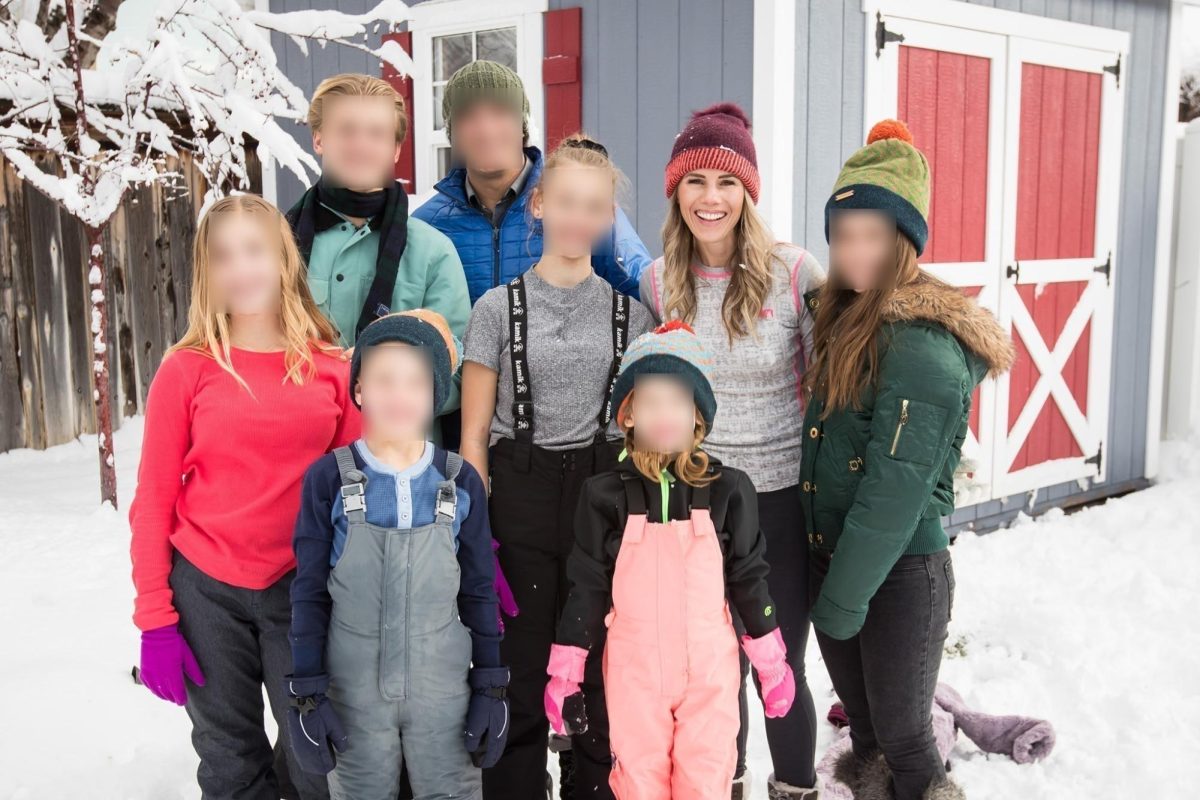
Gen Z women are generally less religious, with 40% identifying as religiously unaffiliated. Regardless, many have gravitated toward the “tradwife” trend, which romanticizes homemaking and modest fashion. Female influencers associated with the tradwife movement, such as Nara Smith and Hannah Neeleman, present housekeeping and motherhood as fulfilling experiences. Such content aestheticizes domesticity and frames it as far more gratifying than working for a neglectful corporation.
In many ways, the trends of young people turning toward religion and domestic life challenge the contemporary expectation that people should dedicate the majority of their lives to working and making money. Since traditionalism emphasizes personal fulfillment and community, ideals lost to economic struggle, it appeals to young people who are overworked and exhausted from trying to succeed professionally.
Gen Z should take the good from traditionalism and leave the bad. Leading a traditional life and subscribing to gender roles is not inherently oppressive when people freely choose to live that way, nor is it incompatible with social progress. Traditional or not, most people genuinely want to have thriving communities and easygoing lives. Prioritizing family and personal happiness should be values that everyone shares. At the same time, we cannot afford for social progress to move backward. Finding solutions to corporate greed is a collective issue, and we are stronger when we work together despite our differences.