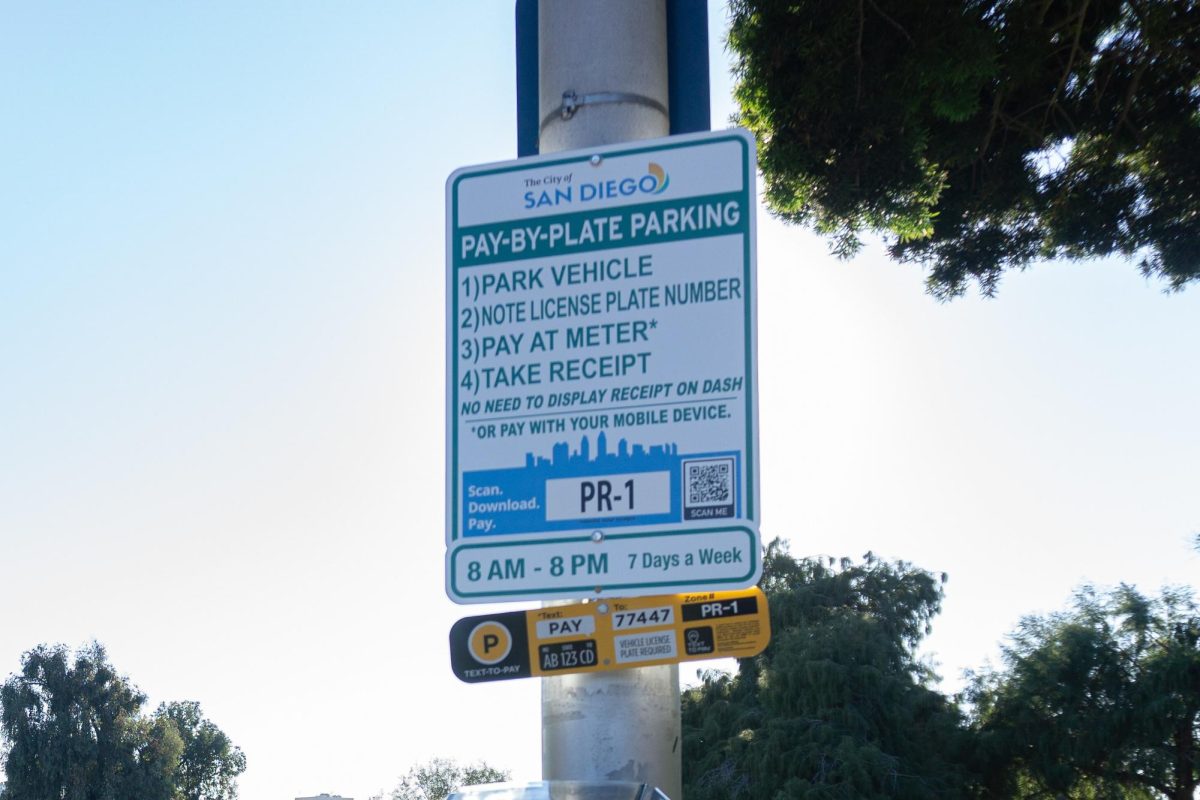
The city of San Diego’s recent decision to institute parking fees at Balboa Park has caused an uproar among San Diego locals. Once a free-to-park attraction in the heart of the city, parking now costs up to $16 a day for nonresidents, with verified residents paying half of the regular rates. Protesting against the perceived cash grab, some individuals turned to vandalism — damaging the parking meters with paste to block card readers. In response, the city emphasized the consequences of vandalism, threatening to press charges against the vandals.
Instead of prioritizing the people they serve and those who are impacted by their policies, the mayor’s office focused on the lost or damaged property. If San Diego politicians addressed the root cause of Balboa Park’s vandalism and listened to protestors, the issue would be resolved.
Vandalism involves willfully causing damage or destruction to another person’s property, according to U.S. law. Though it does not cause direct harm to an individual, politicians often frame vandalism as violent — including vandalism done in protest.
Since protests are often evaluated by execution rather than messaging, an act of vandalism is considered an act of violence, regardless of the motivation. This expanded definition of violence to encompass harm done to property limits what is considered an acceptable act of protest.
During the June 2025 Los Angeles protests against Immigration and Customs Enforcement presence in the city, some protestors burned Waymos. These driverless taxis were specifically targeted because law enforcement has tapped into their cameras, utilizing them as part of its surveillance apparatus. Though nobody was personally harmed in burning these autonomous vehicles, some news outlets described the protests as “violent” and the demonstrators as “agitators.” But in reality, the only thing harmed was Waymo’s profit margins.
Compare this reaction to the reception of the nationwide “No Kings” protests against President Donald Trump that took place shortly before the demonstrations against ICE. Backed by Democratic politicians and media, the organizers emphasized nonviolent action as a means of protest. These protests were depicted in a more favorable light because of their execution. Even if people agreed with anti-ICE demonstrators’ messages, perceptions of violence against property made it difficult to garner broad public support.
Vandalism is disruptive in a system where the rights of property are more protected than the rights of people. Burning Waymos during the LA protests caused more outcry among both Democratic and Republican politicians than the effects the policies being protested have on real lives. Police run to protect businesses from protestors while tear-gassing the very people they are supposed to serve.
While encouraging or allowing vandalism is not the solution, there is little concern for solving the root problems people are protesting against in the first place — only discontent with the methodology. The parking meters at Balboa Park were vandalized for a reason: Residents felt ignored by their government representatives and spread their message however they could. Should the city listen to the people it serves and address their issues with the parking fees, that vandalism wouldn’t be an issue.
In order for that to happen, the city of San Diego has to prioritize its residents. City officials need to be more receptive to criticism and the voices of those affected by their policies and address them directly. This will ensure that people aren’t ignored by the system and feel compelled to make their voices heard another way. With more consideration for their needs, San Diegans won’t be pushed toward vandalism.