
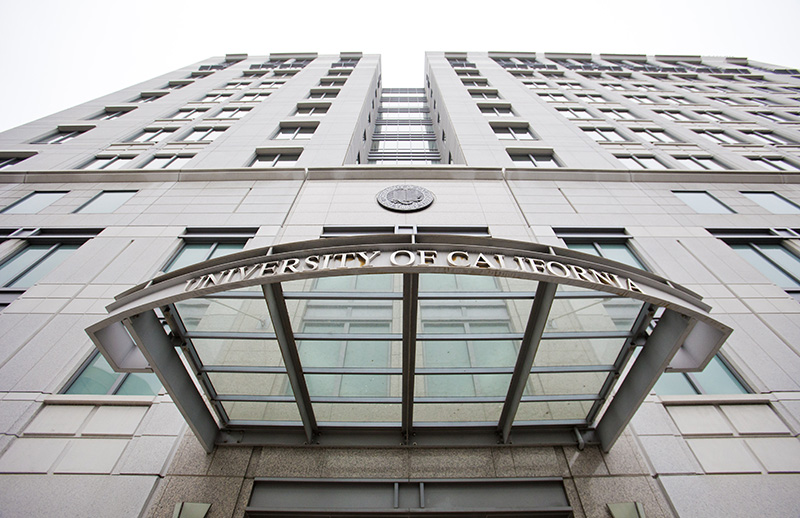
UC San Diego’s administration sent personally identifiable information of UCSD faculty, staff, and students to the University of California Office of the President, which sent said information to the Department of Education’s Office for Civil Rights. This comes following a request from the OCR in its investigation into the UC’s handling of discrimination and harassment claims, especially in regard to antisemitism. UCSD and UCOP have not indicated whose information was divulged, nor when it was shared. As of Oct. 5, UCSD officials have not notified the individuals affected.
All the individuals are connected with the University, but their exact affiliations remain unclear. However, the Faculty Defense Group told The UCSD Guardian in early September that all the individuals had some relation to “complaints of harassment and discrimination.” On Sept. 18, The Guardian received confirmation that federal investigators have acquired names. No other details can be identified at this time.
This name-sharing follows an agreement the UC signed with the DOE’s OCR in December 2024. This agreement solidified the UC’s compliance with Title VI of the Civil Rights Act of 1964 in the wake of complaints and allegations of discrimination across UC campuses, including UCLA, UCSD, UC Berkeley, UC Santa Barbara, UC Santa Cruz, and UC Davis. These complaints refer to any filed within the UC “based on actual or perceived national origin, including shared Jewish, Israeli, Palestinian, Arab, and Muslim ancestry.”
Per the agreement, the UC is required to provide the OCR with a list of “all complaints and reports alleging discrimination, including harassment and disparate treatment” that date back to the preceding academic year. This list must include the following information: the name and status of the individual who filed the complaint, the individual who was discriminated against, the individual who engaged in the harassment, and the nature of the alleged discrimination. The OCR listed Sept. 30, 2025, as the deadline for the UC to deliver this list on behalf of all UC campuses.
The UC and its campuses are currently under strict scrutiny by the federal government. UCLA continues to face a demand for a $1.2 billion settlement with the Department of Justice over allegations of antisemitism. Additionally, UCSD, UC Berkeley, UCSB, and UC Davis are among the 60 universities that received a warning of enforcement over allegations of antisemitism from the OCR in early March.
On Sept. 4, UC Berkeley’s chief campus counsel, David Robinson sent a notification email to all individuals at the University whose information had been shared. Robinson’s email specified that this name-sharing was in response to the OCR’s investigations into allegations of “antisemitic harassment and discrimination.”
UC Berkeley officials shared roughly 160 names of students, faculty, and staff to the federal government, according to The Daily Cal. There is no public confirmation that the same name-sharing has happened at other UC campuses.
A resolution passed by the Academic Senate on April 15 calls for the chancellor to “inform the campus community in a timely manner if UC San Diego receives a demand from the federal government for student, faculty, or staff identifying information or physical location, that is motivated by their visa or immigration status or on-campus activities, and to consult with the Academic Senate before responding.”
As of publishing, no individuals at UCSD have been contacted with notification that the University has shared their information. This lack of notification is a direct violation of the aforementioned Academic Senate resolution.
On Sept. 16, the UCSD Faculty Association, a voluntary organization comprised of UCSD Academic Senate members, penned a letter addressed to the Office of the Chancellor to request a response to this situation. The letter requests the notification of any individual whose information has been released and disclosure of any additional federal requests for information from the University. Additionally, it asks that the office commit to multiple future action items, which include consulting with students, staff, or faculty when confronted with decisions on sharing information, resisting federal government interference, and protecting faculty, students, and staff who face retaliation through their immigration status by creating safe spaces on campus and providing free immigration counsel.
“An OCR investigation is not intended to determine whether individual students, faculty, or staff have violated any civil rights laws, but whether the university itself is in compliance with Title VI’s nondiscrimination mandate,” the letter read. “Such a disclosure is likely to cause UC San Diego faculty, students, and staff significant harm, including the infringement of First Amendment rights to free speech and assembly, the violation of faculty rights to academic freedom, and among non-citizens, potential visa termination, detention, and deportation.”
UCSD Academic Senate chair, Rebeca Plant, did not respond to The Guardian’s questions.
In a private communication sent to a UCSD faculty member on Sept. 17, Daniel Park, UCSD chief campus counsel, confirmed that UCSD has shared names and information with UCOP.
“To respond to demands for documents and information from federal investigators, outside counsel [UCOP hired] has been collecting documents from all of the campuses, including UC San Diego,” Park wrote. “These records include records of UC San Diego’s handling of complaints of harassment and discrimination. We have asked that office to provide us with a list of the names that have been produced, but we have not yet received a response to this request.”
Park did not respond to The Guardian’s request for comment.
On Oct. 3, UC President James Milliken issued a statement addressed to the UC community regarding the federal government’s threats to the UC, including the OCR’s requests.
“We are working to fulfill the University’s obligations while protecting personal information to the extent possible,” the statement read. “I know that many people in our community have concerns with this longstanding practice in today’s environment. … When UC receives such requests, we will rigorously assess the underlying legal authority and the extent to which the request implicates countervailing privacy laws.”
Charles Robinson, general counsel and senior vice president of legal affairs for the UC, sent a statement to The Guardian on Sept. 28.
“Where a legal obligation has been identified, UC has complied with investigative requests consistently over many years and across numerous administrations, reflecting the University’s overall commitment to compliance with applicable laws and regulations, including applicable privacy laws,” the statement read. “UC will continue to meet its legal obligations while exploring all legal avenues to safeguard the privacy and trust of our community members.”


