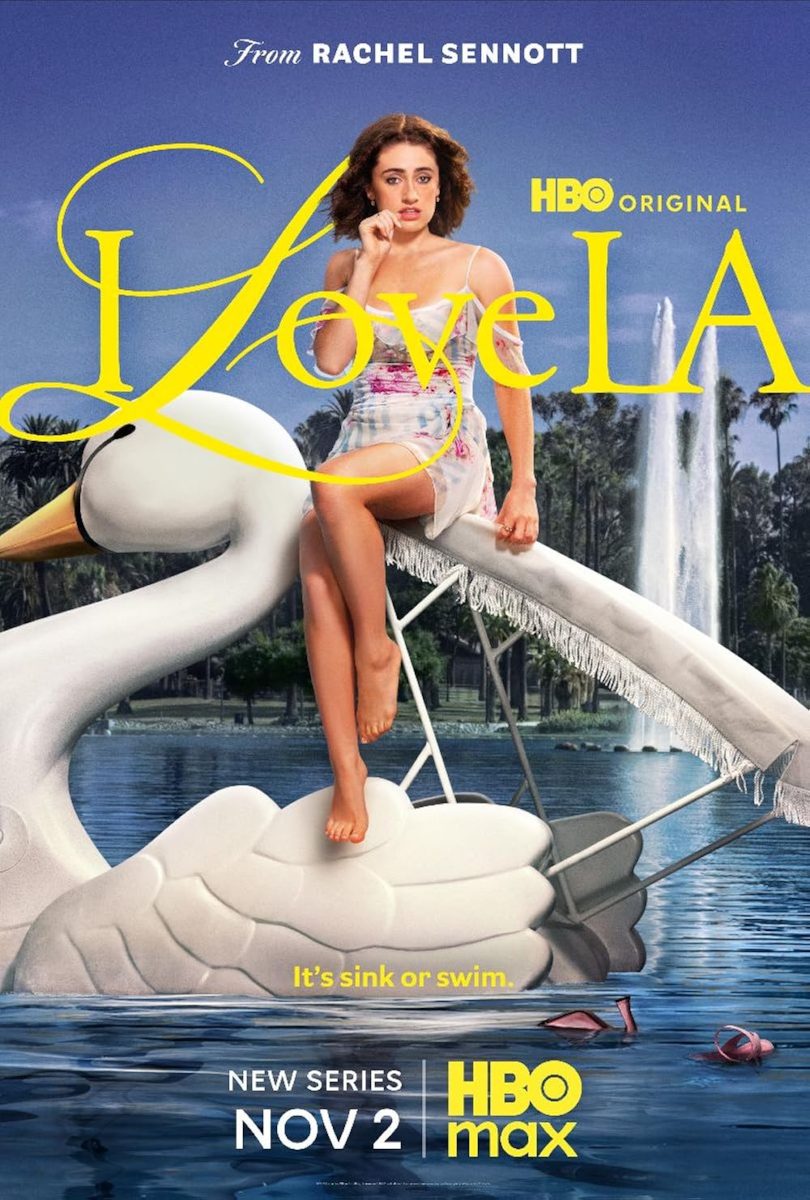
“Make a wish, babe, you’re gonna need it,” warns the headstrong Tallulah Stiel (Odessa A’zion) — a fitting statement for the ups and downs that the cast of the trendy show “I Love LA.” experiences. Written by comedian and actress Rachel Sennott, the self-proclaimed “voice of Gen Z,” this release makes use of Sennott’s satirical strengths. It reflects the booming influencer culture in Los Angeles today, which outsiders often see as superficial and entitled. While we eagerly await the release of Season 2 on Nov. 2, Sennott’s sitcom in Season 1 gives us much to dissect.
“I Love LA” stars Sennott as the sassy workaholic Maia Simsbury, living with her humble schoolteacher boyfriend, Dylan (Josh Hutcherson), in the Silverlake neighborhood of LA. She works for Alyssa180, a social media company that focuses on making people the “next big thing,” under a passive-aggressive and condescending boss, Alyssa (Leighton Meester). Maia schemes around LA with her close friends: ditzy nepo baby Alani Marcus (True Whitaker) and gossiping celebrity stylist Charlie Cohen (Jordan Firstman). The group weaves its way through uncomfortable “dinner things,” smear campaigns, and very serious toe injuries. As a graduate of New York University’s Tisch School of the Arts — Sennott’s own alma mater — Maia accurately represents the stereotypical culture shock from East Coast to West Coast.
I started watching the show recently, already familiar with Sennott’s other comedies, including the raunchy high school flick “Bottoms.” But this show specifically stuck out for its relevance to the current dominance of social media in LA, referencing “COVID money,” cancel culture, and influencers selling overpriced and tacky jewelry.
In today’s online world, the spotlight lands on whoever can capture attention in a five-second dance clip or a single carousel of a photo dump. The show is right on the money with portraying this phenomenon, following Maia’s struggles to get her client Tallulah up in the digital world, whether it be through campy Ritz cracker brand deals — “It’s a blue-chip brand!” — or lipsyncing in TikToks with LA’s hottest B-listers. Every aspect of the show speaks to the chronically online, which describes many of its viewers.
Growing up in Southern California, my impression of LA was that of a large, bustling city brimming with far more activity than the subdued suburbs I was accustomed to. This vision of the City of Angels appears in plenty of media, such as the glitz and glamor of Hollywood Hills in “Clueless” or the trials and tribulations of chasing stardom in “La La Land.” Since the introduction of social media to the already fast-paced LA landscape, there has been a significant rise in “influencer culture” — which is where “I Love LA” hits the nail on the head. Every character is flawed, most prominently in their shallow natures. Their sense of entitlement is obvious in every second of screen time, from their culture shock among New York fashion moguls to snooping in Elijah Wood’s house during a party. The show calls back to ghosts of dramas past with characters swooning, fighting, and “crashing out” left and right. It’s a sort of car wreck you cannot look away from, representing the annoying but amusing aspects of the nonnative LA residents on their bumpy path to stardom.
Sennott’s dialogue choices also display a sharp wit and a finger on the pulse of LA’s ever-changing social climate. The characters’ deeply imperfect natures play into many stereotypes about the money-hungry, matcha-obsessed, fun-chasing youthful generation seen in LA.
Sennott also refuses to shy away from sensitive topics in the interest of making a satirized spectacle. In an attempt to push an unwanted guest to leave her apartment early, Maia stages a mental breakdown, shouting out, “Should I kill myself on Instagram Live or TikTok LIVE? … Which one will have more people watching?” to her distressed boyfriend, who is unaware of her ploy. The cartoonish level of LA stereotypes in the show allows it to make fun of itself while also giving the audience a good laugh.
LA social culture is largely based around the idea that an ordinary person can “make it big,” and “I Love LA” is definitely aware of that. Its genius hidden within its over-the-top quintessence, “I Love LA” is definitely a worthwhile watch with a group of your worst influences, but not without grabbing a $10 Erewhon drink first.