You’re dreading when it comes and anxious when it doesn’t. Periods can be a rollercoaster; the cramps, bleeding, and cravings are just a small glimpse into the never-ending menstrual cycle. Understanding the four phases — which each come with their own hormonal imbalances — helps mitigate unpleasant symptoms.
It’s not you, it’s your period: Menstruation
Great, you’ve bled through your sweats, and now, your stomach feels like hell. The first day of your cycle begins the moment you get your period. This is when you’ll want nothing more than to live in your coziest pajamas, grab a pint of ice cream, and never leave your bed. While sweet treats help boost your mood, ensure that your diet has enough iron to replenish what it loses due to bleeding and to physically get you through the week. It’s also normal to feel disconnected from yourself, swinging from one emotion to the next. Giving yourself an affirmation, written on a sticky note or said in front of the mirror, helps recenter your self-perception. It’s okay to be unsteady. Just know that it will pass; next week, you’ll be back up and running.
Feels like spring: Follicular
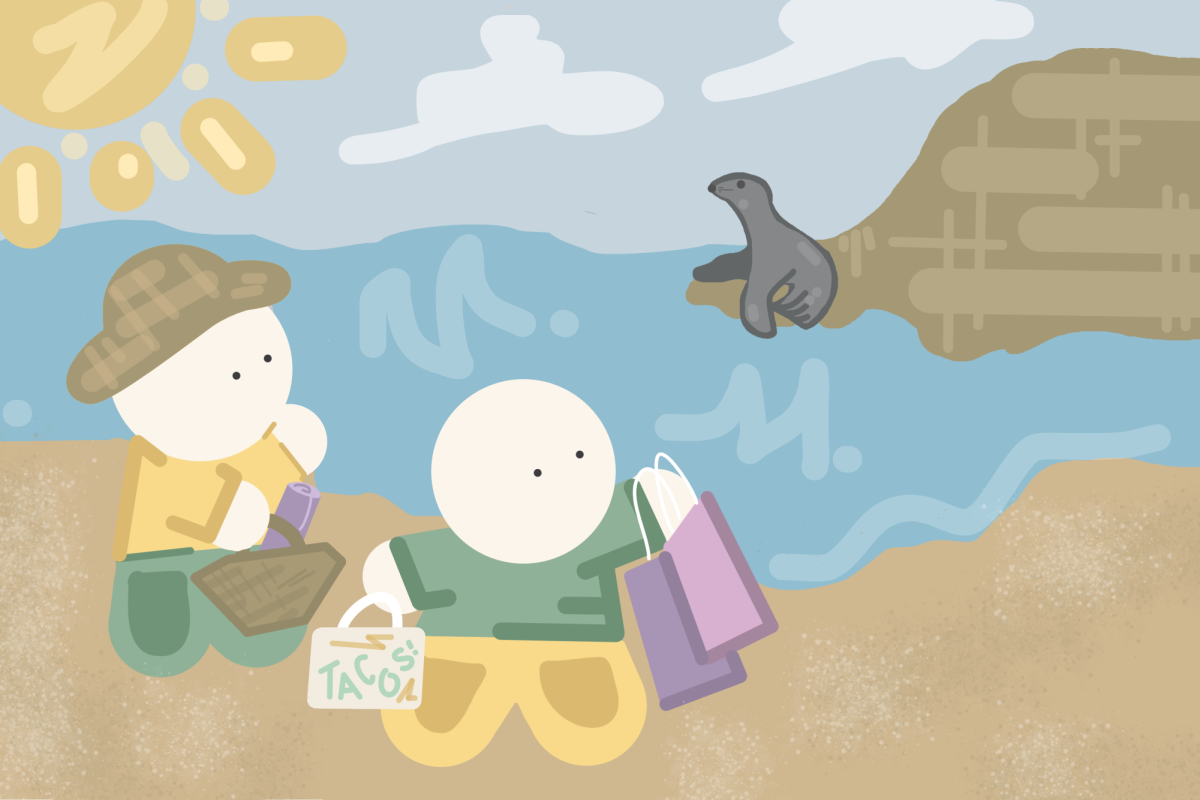
Congratulations, period paladin! You made it out of the trenches and into your follicular phase, when your energy levels and mood stabilize and you’re ready to face the world once more. Just as your uterine lining handles rebuilding itself, now’s the time to handle those tasks you pushed aside when you weren’t feeling your best. Use this high-energy state for cardio or resistance training, which both strengthen your body and build emotional resilience. Take this opportunity to feel the sand between your toes or touch grass. Toward the end of this phase, you may feel inclined to do activities that can’t be explicitly named here. Do what you need to do! Just make sure to stay safe.
When did I get hot?: Ovulation
You are finally halfway through your cycle. You may undergo a boost in confidence, cheerfulness, and libido. Continue to build your social relationships by spending time with loved ones and meeting new people. Make sure you exercise — perhaps kickboxing or high-intensity interval training — and consume well-rounded meals to optimize your energy. Toward the end of this stage, it is common to feel cramps, muscle aches, and changes to vaginal discharge. Listen to your body, slow down when needed, and ensure you take the time to wind down with some yoga or stretching.
Advil, chocolate, journal: Luteal
As the end of the cycle approaches, premenstrual syndrome symptoms, or PMS, kick in. You may get ticked off at the sound of chewing or fretting over the tone of a friend’s text. It’s normal to experience bloating, fatigue, and cramps. Even when you don’t want to, exercises such as yoga, light strength training, and low-impact cardio can help you feel better. This is also an excellent time to slow down; meditate with a journal and reach out to a friend or therapist if your thoughts are too much to handle. Remember that you’ve been here before, and each time, you’ve made it through.
The period cycle is complicated and messy. These symptoms aren’t a comprehensive list of everything that can occur during the menstrual cycle, and these tips aren’t a one-size-fits-all solution. Try implementing some of this advice and figure out what works for you. Well, then. See you again, same time, next month!