Rating: ★★★★½
Artist: Zach Bryan
Genre: Country
Release Date: Jan. 9, 2026
In the current country landscape, increasingly split between polished, radio-driven hits and the growing appetite for raw, confessional storytelling, Zach Bryan sits in a unique middle ground. Time and time again, his music resists the clean narratives and production-heavy formulas that dominate mainstream country, offering unfiltered vulnerability to satiate the genre’s new obsession. Bryan’s songs are emotionally exposed, and even at their messiest, the restraint in his work reveals itself not just lyrically but sonically as well. His stripped-back arrangements, rough-edged vocals, and production signal an acute awareness of his country audience.
As a longtime Bryan fan, I’ve watched him grow from an acoustic storyteller posting songs on YouTube into one of the most defining and polarizing voices of modern country music. In doing so, he’s influenced a generation of country listeners through radical emotional honesty while simultaneously testing the limits of how much vulnerability an audience is willing to accept.
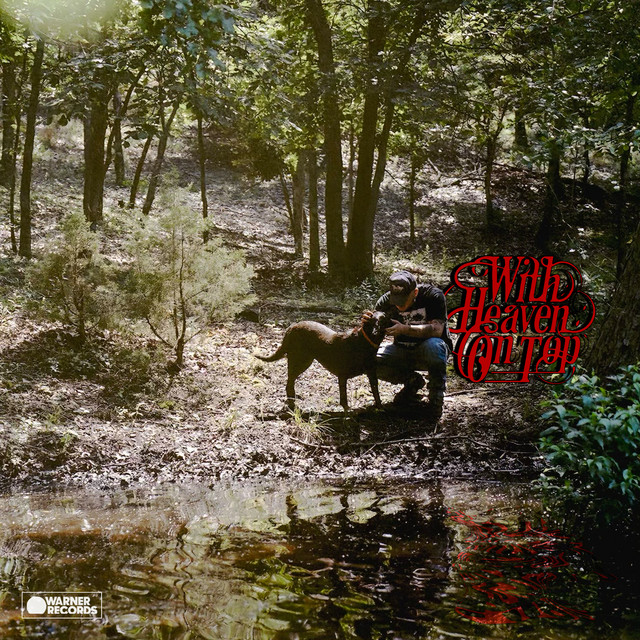
On Jan. 9, Bryan released his sixth studio album, “With Heaven on Top,” a sprawling 25-track project that quickly divided the genre. “With Heaven on Top” leans into Bryan’s musical philosophy of feeling over finish, often choosing to leave the rough edges as they are.
Following the success of Bryan’s previous album, “The Great American Bar Scene,” fans wondered whether he could continue to balance emotional honesty with scale. Would the rawness that has long defined his work still feel intentional, or just excessive?
The album’s length and loose structure became immediate talking points. Some critics argued that he lacks restraint in editing and curation, while fans embraced that sprawl as an honest reflection of Bryan’s emotional state. Admittedly, where “The Great American Bar Scene” felt grounded and cohesive, “With Heaven on Top” feels more scattered — but this is exactly Bryan’s intention.
The album’s themes of longing, guilt, and restlessness feel familiar to any Bryan fan, but his approach is wholly new. He interrogates his fame, his habits, and the disconnect between who he was at the start of his career and who he has become.
“Cannonball” carries an almost magical quality in its storytelling, seamlessly weaving themes of love, friendship, and freedom together with a quiet innocence. The song evolves from slow, melodic acoustic guitar picking to electric guitar swells beneath Bryan’s voice by the final choruses, giving weight to lyrics that speak to leaning into the risk of loving fully without knowing how it will end. It’s the type of track that leaves you with a mix of warmth and heartbreak, perfectly capturing the honesty and emotional clarity that have always defined Bryan’s music.
Built around fleeting moments of closeness, “Plastic Cigarette” speaks to the quiet ache for a life that feels just out of reach. The song portrays small-town romance and longing — two themes Bryan conveys better than almost anyone in modern country music. It evokes vivid imagery, particularly in the line “So let me go, I saw you on the river’s edge / Draggin’ on a plastic cigarette / With your swim top still wet.”
Bryan has a talent for making scenes of intimacy feel lived-in and pulling listeners directly into his moment. This emotional depth is what makes the track so compelling: It reminds listeners that Bryan possesses an innate ability to craft stories that feel effortless and authentic.
On the opposite end of the album’s emotional spectrum, the fast-paced “Appetite” cuts deep in a reflective, almost confessional way. The song explores the tension between restless ambition and the desire to live as the most authentic version of yourself. Bryan grapples with the intense pressures of fame and his own expectations for himself, asking in the prechorus, “What if I don’t want children to grow up like their father? / Willing to stir [s—] up and start a fight, give themself up an appetite.”
The verses capture the chaos of life on the road — late-night shows in Northwest Arkansas, constant movement, and the struggle of balancing creativity with relentless forward motion. Its raw energy sharply contrasts the softness of “Cannonball” and “Plastic Cigarette,” showcasing Bryan’s commitment to expanding his emotional range with each new release.
“With Heaven on Top” makes a clear statement about Zach Bryan’s place in today’s country music scene. In a genre that often packages vulnerability into polished, reassuring narratives, Bryan chooses openness instead, allowing discomfort, guilt, and longing to linger without resolution, leaving songs emotionally unresolved in a way that can feel more confrontational than comforting.